
Why Do Darker Evenings Affect Your Mood, Sleep and Energy?
You leave work and it is already getting dark, mornings feel harder than they did a few weeks ago, getting out of bed takes more effort, your energy seems to disappear earlier in the day and things that felt easy during the summer suddenly require a little more motivation.
The change from long summer days into darker autumn and winter months can affect the way you sleep, how alert you feel during the day and, for certain individuals, how they feel emotionally, because daylight plays an important role in the body systems involved in sleep, wakefulness and mood.
That does not mean feeling tired in October means you have Seasonal Affective Disorder, also known as SAD, and it does not mean that every dip in motivation as winter approaches should be treated as a mental health condition.
There is an important difference between noticing that darker days make you feel less energetic and experiencing a persistent pattern of depressive symptoms that begins at a particular time of year and starts affecting your everyday life.
Understanding that difference can make it easier to recognise what may simply be a seasonal adjustment and when it may be worth seeking support.
Why can darker evenings affect how you feel?
Your body does not decide when to feel awake or sleepy based entirely on the time showing on a clock.
It also responds to light.
Inside the brain is a biological timing system often referred to as your circadian rhythm, which helps regulate the roughly 24-hour cycle that influences when you feel alert, when you become sleepy, when certain hormones are released and when your body prepares for rest.
Light entering through your eyes provides one of the strongest signals that helps this internal clock stay aligned with the outside world, which is why the gradual loss of daylight during autumn can feel more noticeable than simply having fewer hours available to spend outside.
As mornings become darker and daylight disappears earlier in the afternoon, your exposure to natural light can reduce significantly, particularly if you leave home early, work indoors for most of the day and return home after sunset.
The exact cause of Seasonal Affective Disorder is not fully understood, although reduced daylight during winter is thought to contribute to changes involving melatonin, serotonin and the body’s circadian rhythm, all of which are connected with sleep and mood.
That helps explain why the seasonal change can show up in several areas at once.
You may feel sleepier, less energetic, slower to get going in the morning or more tempted to stay indoors, and once your routines start changing as a result, the effect can begin feeding into motivation, activity levels and mood.
Why do I feel more tired when the evenings get darker?
One of the first things you may notice during autumn is that your energy does not feel quite the same.
Perhaps waking up feels harder, you want to stay in bed longer, the afternoon slump arrives earlier or you start feeling ready to switch off several hours before you normally would.
Reduced daylight may influence the timing signals your brain uses to regulate sleep and wakefulness, and darker mornings can make that transition from sleeping to feeling fully alert feel more difficult.
Your routine often changes at the same time. You may spend less time outside, exercise less frequently, become less active after work and start treating the evening as though the day has finished simply because it is already dark outside.
None of those changes feels significant on its own, but together they can alter the rhythm of your day.
You may start going out less because you feel tired, then feel more tired because you are spending more time inactive indoors, which makes it easier for the pattern to continue.
That is one reason it can help to look at the whole picture rather than asking whether darkness itself is directly making you tired.
Can darker evenings affect your mood?
Yes, although the effect is not the same for everyone and feeling less enthusiastic about winter is not automatically depression.
You might notice that you are less motivated to make plans, exercise feels harder to start, you would rather stay at home than go out and the things that normally give your week some structure gradually begin disappearing.
That can have consequences for mood because regular activity, social contact, daylight exposure and routine can all play a part in how you feel.
When you begin doing less because your energy is lower, your world can quietly become smaller.
Weekends become less active, evenings become more passive, social plans are easier to cancel and tasks that you would normally deal with quickly start getting pushed into tomorrow.
If you are already dealing with stress, anxiety, low mood or disrupted sleep, the seasonal change can make those difficulties feel more noticeable because there is less energy available to compensate for them.
What matters is whether the changes in your mood, sleep, motivation or interest are lasting long enough, and becoming noticeable enough, to start affecting how you function day to day.
What is Seasonal Affective Disorder?
Seasonal Affective Disorder, or SAD, is a form of depression that follows a seasonal pattern, with symptoms most commonly appearing during autumn or winter and improving during spring or summer.
The main feature is depression that occurs during winter and goes away during summer, although seasonal depression can occasionally follow a different pattern.
Recognising that the symptoms follow a seasonal pattern is important.
SAD is not simply feeling fed up because the weather is poor, disliking cold mornings or wishing summer lasted longer.
It involves depressive symptoms that return in connection with a particular time of year and can affect how you function at work, at home, socially and emotionally.
Diagnosis also involves looking at how symptoms change over time rather than making a judgement based on one difficult week in October.
A clinician may consider a diagnosis when depression symptoms have occurred at a particular time of year for two years or longer.
Seasonal Affective Disorder symptoms and signs
The symptoms of Seasonal Affective Disorder overlap with depression, which means the condition can affect much more than whether you feel sad.
You may notice that you have lost interest in things you normally enjoy, your motivation has dropped considerably or everyday responsibilities require far more effort than they did before.
Concentration can become harder, which might show up as rereading the same email several times, losing your train of thought during conversations or struggling to make straightforward decisions.
Your sleep can change too.
You may feel tired for much of the day, sleep for longer than you normally would and still wake feeling unrefreshed, or find that getting out of bed becomes increasingly difficult as the darker months continue.
Changes in appetite can also occur, alongside feelings of hopelessness, worthlessness, guilt, irritability or restlessness.
Recognised SAD symptoms include low mood, reduced interest in activities you normally enjoy, difficulty concentrating, increased tiredness and sleeping more than usual.
The key point is that you are looking for a pattern, particularly when several changes appear together and continue for long enough to affect your life.
Is it Seasonal Affective Disorder or just the winter blues?
This is where it is easy to either dismiss a genuine problem or medicalise a completely normal reaction to winter.
You can dislike dark evenings without having SAD.
You can feel more tired after the clocks change without having depression.
You can also find yourself less motivated to exercise when it is cold, wet and dark outside without there being an underlying mental health disorder.
The distinction becomes more important when low mood or loss of interest persists rather than passing, when sleep and appetite change significantly, when concentration becomes difficult, when you begin withdrawing from things you previously enjoyed or when the way you feel starts interfering with work, relationships and normal daily responsibilities.
Think about how different you feel from your normal baseline.
If you are still able to enjoy things once you start doing them, your mood generally lifts when circumstances improve and the darker months feel more inconvenient than overwhelming, you may simply be responding to a seasonal change in routine and energy.
If you increasingly feel flat regardless of what is happening around you, stop enjoying activities that normally matter to you, feel persistently low or find that getting through an ordinary day is becoming difficult, it deserves more attention.
Why sleep, mood and energy can become linked
Sleep problems rarely stay confined to bedtime.
When your sleep becomes disrupted, the next day can feel harder before it has properly started, because tiredness can affect concentration, patience, motivation and emotional resilience.
You may then become less active because you are tired, cancel plans because you cannot face them and rely more heavily on passive ways of getting through the evening, which can leave your routine even less structured.
Low mood can then make it harder to maintain the habits that might otherwise help your sleep.
This creates a cycle in which tiredness affects activity, reduced activity affects mood and low mood makes it harder to protect the routines that support sleep and energy.
That does not mean every sleep problem is psychological or that every period of fatigue can be fixed by changing your routine.
Persistent tiredness can have many causes, including physical health conditions, medication, lifestyle factors and sleep disorders, which is why ongoing or unexplained fatigue should not automatically be attributed to SAD.
What can you do when darker evenings start affecting you?
One of the simplest places to start is with daylight.
If you spend most of the day indoors, it can be surprisingly easy to go through an entire weekday with very little natural light, especially once sunrise becomes later and sunset moves into the working afternoon.
Getting outside during daylight hours, even when the weather is grey, can help maintain exposure to natural light and gives you a reason to remain active rather than allowing the dark evening to become the point where the day effectively ends.
Keeping a fairly consistent sleep and wake time can also help protect your routine when seasonal changes begin making mornings and evenings feel different.
It is worth paying attention to activity as well.
When motivation drops, waiting until you “feel like” exercising, seeing friends or leaving the house can create a trap because the motivation may arrive after you start rather than before.
Regular physical activity may support wellbeing and notes that the benefits can be greater when activity takes place outdoors, alongside maintaining healthy sleep and lifestyle habits.
It is important to notice whether your world is gradually becoming smaller simply because darkness has made staying at home the easier option.
Does a SAD lamp help?
Light therapy is commonly associated with Seasonal Affective Disorder and involves sitting near a specially designed bright light that aims to simulate exposure to daylight.
It is widely discussed, but the evidence is more nuanced than many online claims suggest.
Many people report finding light therapy helpful, although there is not currently enough evidence to determine how effective it is, and NICE similarly advises that evidence for light therapy in winter depression remains uncertain.
If you are considering using a SAD lamp or light box, it is sensible to speak with a healthcare professional first, particularly if you have an eye condition or take medication that can increase sensitivity to light.
It should also be treated as one possible option rather than assuming that buying a lamp will address persistent depressive symptoms on its own.
When should you seek support for seasonal low mood?
You do not need to wait until things become unbearable before speaking to someone.
If low mood has persisted, your sleep or appetite has changed significantly, you have stopped enjoying things you normally care about, you are withdrawing from other people or your ability to work and manage everyday life has clearly changed, it is reasonable to seek professional advice.
The type of support that makes sense will depend on what you are experiencing.
Counselling can give you space to explore low mood, stress, changes in your life and the way you have been feeling, particularly when you want time to understand what is happening rather than immediately seeking a medical assessment.
Cognitive Behavioural Therapy, or CBT, is a more structured form of talking therapy that looks at the relationships between thoughts, feelings and behaviour, which can be particularly relevant when low mood has led to withdrawal, reduced activity or repeated patterns that are keeping you stuck.
CBT is among established treatment options for depression and behavioural approaches that focus on the link between activity and mood.
If your symptoms are more persistent, complex or severe, or you want to discuss diagnosis or medication, a psychiatric assessment may be a more appropriate starting point.
The Therapy Company provides access to Consultant Psychiatrists, therapists and other mental health professionals, with appointments available from Preston and online across the UK depending on the service required.
If you are unsure which type of support would suit what you are experiencing, you can also read our guide on whether you need a psychiatrist, counsellor or CBT therapist.
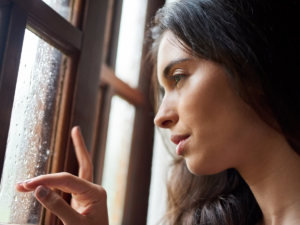
Darker evenings can change more than the view outside your window
It is easy to underestimate how much your daily routine changes once daylight begins disappearing in the late afternoon.
You may be leaving the house in darkness, spending most of the daylight hours indoors and returning home after sunset, all within the space of a few weeks.
Your sleep, energy and motivation can respond to that change, particularly when reduced daylight is combined with less activity, more time indoors and a routine that becomes increasingly centred around getting through the working day and retreating home afterwards.
For many people, recognising what is happening and making deliberate changes to daylight exposure, activity and routine may be enough to make the darker months feel more manageable.
When the change goes further than that, particularly when low mood, loss of interest, tiredness or withdrawal become persistent, it is worth taking seriously rather than assuming you simply need to “get through winter”.
Seasonal Affective Disorder is a recognised form of depression, and support is available.
If you are experiencing persistent changes in your mood, sleep or energy and would like to discuss what may be happening, The Therapy Company provides mental health assessment and therapy from Preston, with online support available across the UK where appropriate.
Frequently asked questions about Seasonal Affective Disorder
What are the first signs of Seasonal Affective Disorder?
Early signs can include persistent low mood, reduced motivation, loss of interest in activities you normally enjoy, increased tiredness, sleeping for longer, difficulty concentrating and changes in appetite, particularly when these symptoms begin following a repeated seasonal pattern.
Can darker evenings make you feel depressed?
Reduced daylight is thought to play a role in Seasonal Affective Disorder because it may affect processes involved in circadian rhythm, sleep and mood, although feeling less energetic or less enthusiastic during winter does not automatically mean you have depression.
Why am I so tired in winter?
Winter tiredness can be influenced by changes in daylight exposure, sleep routine, activity levels and circadian rhythm, although persistent or unexplained fatigue can also have physical causes and should not automatically be attributed to SAD.
How do I know if I have SAD or winter blues?
The difference often comes down to severity, persistence and impact, because SAD involves depressive symptoms that follow a seasonal pattern and interfere with everyday life, rather than simply disliking winter or feeling slightly less energetic during darker months.
Can CBT help with Seasonal Affective Disorder?
CBT is an established psychological treatment for depression and may help you identify patterns in thoughts and behaviour that contribute to low mood, withdrawal and reduced activity, although the right treatment should depend on your symptoms and individual circumstances.
When should I speak to someone about seasonal low mood?
Consider seeking support if low mood persists, you lose interest in things you normally enjoy, your sleep or appetite changes significantly, you find everyday responsibilities increasingly difficult or the way you feel is affecting your work, relationships or ability to function normally.